There are many myths floating around in the guitar community about amplifiers. Many myths claim that better tone can be achieved by certain “tricks of the trade”. Surprisingly, there are a great number of these myths that even the experts themselves sometimes believe- so it can often be hard to separate amplifier fact from fiction.

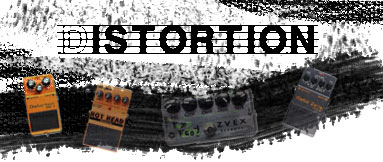
Figure 1 - The wealth of amplifier types, models, and effects have created a great deal of myths as to which particular way to go is best.
Read User's Comments“Best of Rage Against the Machine” by Troy Stetina is one of the best guides to Rage Against the Machine tablature there is. Instead of following a certain album, it features the best hits of RATM such as “Bulls on Parade” or “Killing in the Name.” There are a total of 12 hits, as well as a handy CD that lets players hear the music while learning to play it.

Figure 1 - “The Best of Rage Against the Machine” by Troy Stetina
Elixir strings were made to increase the life span of guitar strings, and prevent rust. All types of acoustic, bass, and electric guitar strings suffer from rust and buildup of dirt and grime. This buildup dampens tone and reduces overall sound quality- and this is what a new set of Elixir strings intend to fix through a revolutionary process.

Figure 1 - Dirty or corroded strings give poor tone and sound quality- and music will sound increasingly dull until they are replaced.
At some point, it is very likely everyone has encountered that ringing noise in the ear that is apparent after a hard rock concert, or even after mowing the lawn. Imagine if this temporary annoyance was permanent- and painful. Guitar players are at risk for what is called tinnitus, and may very well be doomed to hear this ringing noise indefinitely, without prevention.

Figure 1 – Having wax build-up can lead to temporary tinnitus. Permanent damage can easily come from excessively loud amplifiers.
To the avid guitarist, the hand is the most important part of the body. When something goes wrong with a guitarist’s hand, it can very easily prevent playing for months on end. In fact, this is more common that some may think. It happens to many players when they decide to leisurely play the guitar, and find that they can not move certain fingers or even their entire hand.

Figure 1 - Repetitive movements can easily cause injury without warming up.
There are some dangerous ways to get a little entertainment- sky diving, mountain climbing, and even playing the guitar safely at home. Newcomers to the guitar will find out the hard way that fingers and hands will certainly become callused, and may experience a little pain and tenderness to the touch as a result. However, there are a few tricks of the trade that can help speed up the process.

Figure 1 - You won’t have the best looking hand in the world- but it can play a mean guitar!
Take a good, long, look at your guitar strings. Odds are, they most likely need a cleaning. In fact, guitar strings should be cleaned after every session! Doing so will make the time between changing guitar strings longer, and it is also necessary to maintain a good sound and tone. But what exactly needs to be done?
Figure 1 - We recommend FAST-FRET; It makes cleaning a one step process.
Guitar strings are one of the most important parts of a guitar- so knowing how they work is vital to getting the tone and control that is desired. Different gauges, materials, construction, and string condition can all have a big impact on the sound of a guitar.

Figure 1 - Look familiar? This is your guitar string up close! Notice how the metal is wound into string.
Some of the more odd picks in the guitar world come from exotic locations such as Japan or Arabian locations. Instead of the traditional three-sided, plastic, hand-held pick that most of the world is accustomed to, some simpler picks are fashioned out of bone, horn, and other natural materials. Others are more modern- from an Allen wrench to a loose piece of change.
The oud is a musical instrument from the Middle-East. Interestingly, this instrument was played with an eagle feather. Modern times have led oud players to find an alternative plectrum to use, as eagle feathers are becoming increasingly rare. Instead, the risha was invented. The risha is an elongated piece of bone or horn that has soaked in oil to make it softer. Plastic rishas are also available for beginners, and more crude forms of rishas can even be fashioned out of a plastic bottle.

Figure 1 - Imagine playing your guitar with a risha stick!
Tortex is a type of plastic manufactured by the successful company named Dunlop. Jim Dunlop created the plastic known as Tortex to replace tortoiseshell guitar picks- since an international ban on tortoiseshell in the 1970’s restricted the sale of one of the best guitar pick materials used around the world.

Figure 1 - Standard Dunlop Tortex Picks